If you have more than one debt, at some point you'll ask: which one do I pay off first? Two methods dominate the conversation: the debt snowball and the debt avalanche. Both work. They just optimize for different things.
This guide explains each method, shows a side-by-side example, summarizes what researchers have found about motivation, and helps you choose.
The basics both methods share
Both methods follow the same three rules:
- Pay the minimum on every debt every month to avoid late fees and credit damage.
- Put every extra dollar toward one target debt until it's gone.
- When a debt is paid off, roll its payment into the next target. The payment you were making doesn't disappear; it gets added to the next debt, so your payoff power grows over time.
The only difference is how you choose the target.
The debt snowball: smallest balance first
With the snowball, you list debts from smallest balance to largest, regardless of interest rate. You attack the smallest one first.
Why people like it: you get a win quickly. Paying off a whole account in a few months feels great, and that momentum can keep you going through the longer debts later.
The tradeoff: if a large debt has a high interest rate, you may pay more total interest than with the avalanche.
The debt avalanche: highest interest rate first
With the avalanche, you list debts from highest interest rate to lowest, regardless of balance. You attack the most expensive debt first.
Why people like it: mathematically, it minimizes the total interest you pay and usually gets you debt-free a bit sooner, assuming you stick with it.
The tradeoff: if your highest-rate debt is also a big one, it can take a long time before you see an account hit zero, which can be discouraging.
If you're not sure what your rates are, check your statements for the APR. The CFPB has a clear explanation of credit card APR.
A side-by-side example
Imagine three debts and $300 a month available beyond the minimums. (Illustrative numbers only.)
| Debt | Balance | APR | Minimum |
|---|---|---|---|
| Store card | $800 | 26% | $30 |
| Credit card | $4,500 | 22% | $110 |
| Car loan | $9,000 | 7% | $260 |
Snowball order: Store card ($800) → Credit card ($4,500) → Car loan ($9,000)
Avalanche order: Store card (26%) → Credit card (22%) → Car loan (7%)
In this example, the orders happen to be the same, because the smallest debt also has the highest rate. That's more common than people expect, and if it's true for you, the debate is over: both methods say the same thing.
Now change one number. Suppose the credit card is the one with the 26% rate and the store card is 18%:
- Snowball still starts with the $800 store card. You'd likely have it gone in about three months, then roll that payment into the credit card.
- Avalanche starts with the $4,500 credit card at 26%. It takes longer to see the first payoff, but you save some interest along the way.
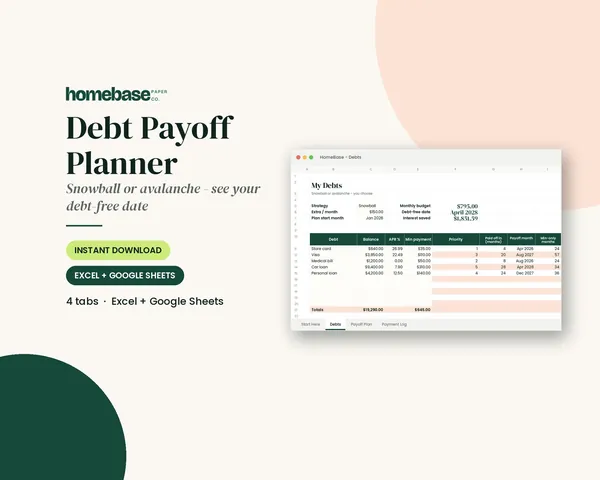
The actual dollar difference depends on your balances and rates. With relatively small debts or similar rates, the gap is often modest. With large, high-rate balances, it can be meaningful. A payoff spreadsheet lets you run both orders with your real numbers and see the difference before you commit. Our Debt Payoff Planner does exactly that, showing a month-by-month schedule and total interest for both methods.
What the research says about motivation
The math favors the avalanche. But debt payoff isn't only math; it's a long behavior change, and researchers have looked at what keeps people going.
- A study by David Gal and Blakeley McShane in the Journal of Marketing Research, "Can Small Victories Help Win the War?", analyzed data from a debt settlement program. They found that closing individual debt accounts was predictive of eventually eliminating debt, regardless of the dollar size of the accounts closed. In other words, completing whole accounts seemed to help people persist.
- Research by Remi Trudel and colleagues, published in the Journal of Consumer Research ("Repayment Concentration and Consumer Motivation to Get Out of Debt") and summarized in Harvard Business Review, found that concentrating repayments on one account at a time, rather than spreading extra money across all of them, increased people's sense of progress and motivation.
Notice that both findings support the shared core of these methods: focus on one debt at a time. Neither study says the avalanche is a bad idea. They suggest that feeling progress matters, which is the snowball's main selling point.
How to choose
Ask yourself these questions:
Have you tried to pay off debt before and stalled? The snowball's quick wins might be what you need this time.
Are your interest rates very different from each other? If one debt is at 25% and the rest are under 8%, the avalanche's savings could be significant. Run the numbers.
Are you motivated by numbers or by milestones? Spreadsheet people who love watching total interest drop often prefer the avalanche. People who love crossing things off a list often prefer the snowball.
Is your smallest debt also your highest rate? Then it doesn't matter. Start there.
You can also use a hybrid: knock out one or two tiny balances first for a quick win, then switch to avalanche order for the rest.
Getting the extra money to pay faster
Whichever method you pick, the speed of your payoff mostly depends on how much extra you can put toward the target debt each month. A few places to find it:
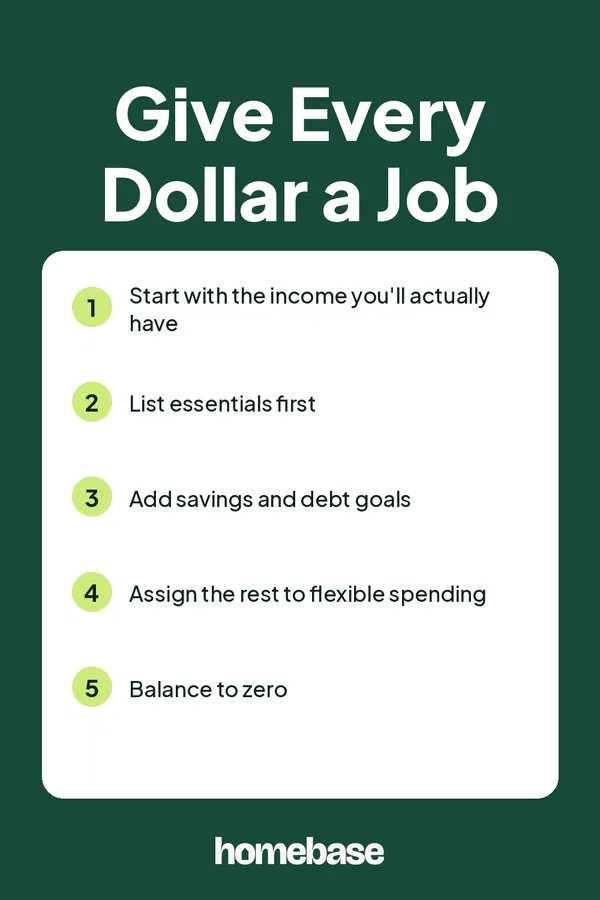
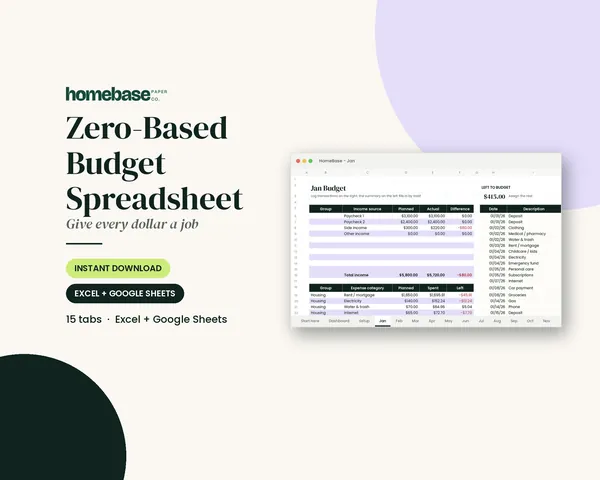
- Build a zero-based budget and assign a specific "extra debt payment" line.
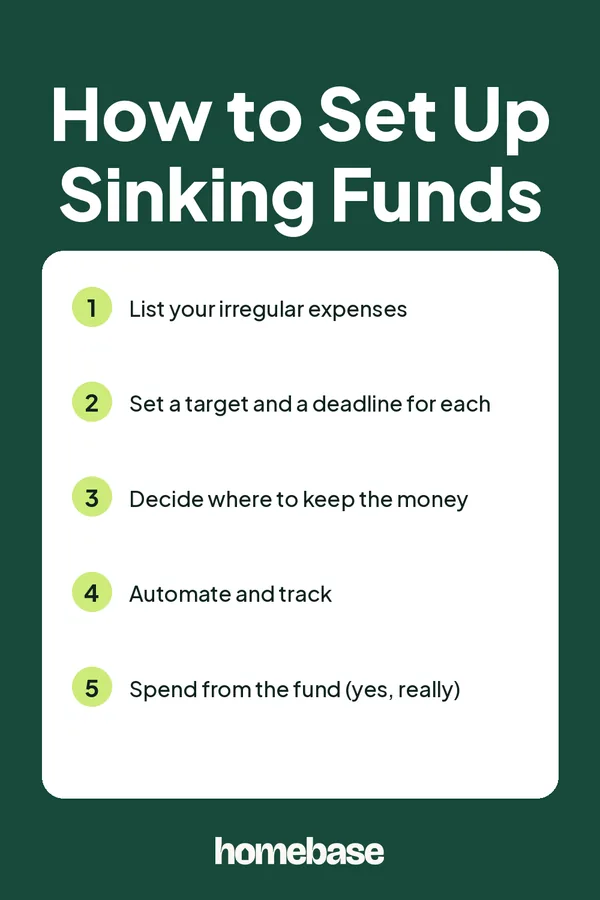
- Set up sinking funds so irregular bills don't end up on a credit card and undo your progress.
- Direct windfalls (tax refunds, bonuses, side-hustle income) to the target debt.
- Cancel or pause subscriptions you don't use and redirect that amount.
- Call your card issuer and ask whether a lower rate is available. It doesn't always work, but it costs nothing to ask.
The CFPB's article on ways to reduce your debt covers additional options, including when to consider talking with a nonprofit credit counselor.
Tracking progress (the fun part)
Visual tracking is powerful for either method. Ideas:
- A thermometer or progress bar for each debt that you color in as you pay
- A list of debts with a big strike-through when each one is gone
- A monthly "debt-free date" estimate that moves closer as you pay extra
Hang it on the fridge or keep it in your budget binder. The free printable at the bottom of this page includes a tracker you can color in.
Common mistakes
Adding new debt while paying off old debt. If irregular expenses keep landing on cards, fix that first with sinking funds and a small emergency fund.
Skipping minimums on non-target debts. Always pay every minimum. Missing payments can mean fees and credit damage that set you back.
Not rolling payments forward. When a debt is gone, the freed-up payment should go straight to the next one, not back into everyday spending.
Switching methods every month. Pick one and give it at least six months.
Quick-start checklist
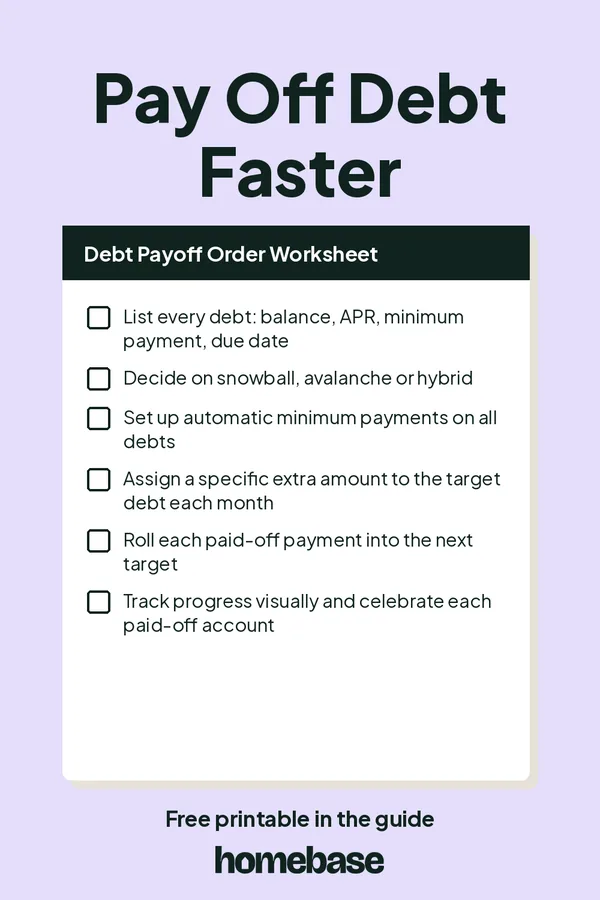
- List every debt: balance, APR, minimum payment, due date
- Decide on snowball, avalanche or hybrid
- Set up automatic minimum payments on all debts
- Assign a specific extra amount to the target debt each month
- Roll each paid-off payment into the next target
- Track progress visually and celebrate each paid-off account
This article is general education, not personalized financial or credit advice.
From our shop
Tools from our shop that go with this guide
Spreadsheets
Debt Payoff Planner
Pick snowball or avalanche, add any extra payment, and get your debt-free month instantly.
Spreadsheets
Zero-Based Budget Spreadsheet
The 'Left to budget' counter turns green when every dollar has a job.
 Save 57%
Bundles
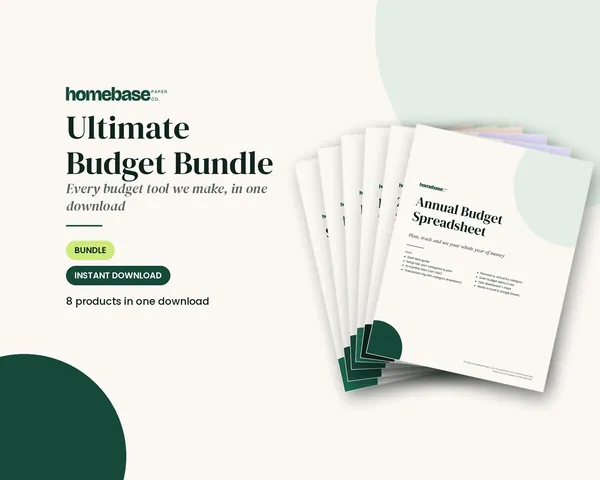
Ultimate Budget Bundle
All 6 spreadsheets + both printable planners - for less than half the price of buying them separately.
Free download
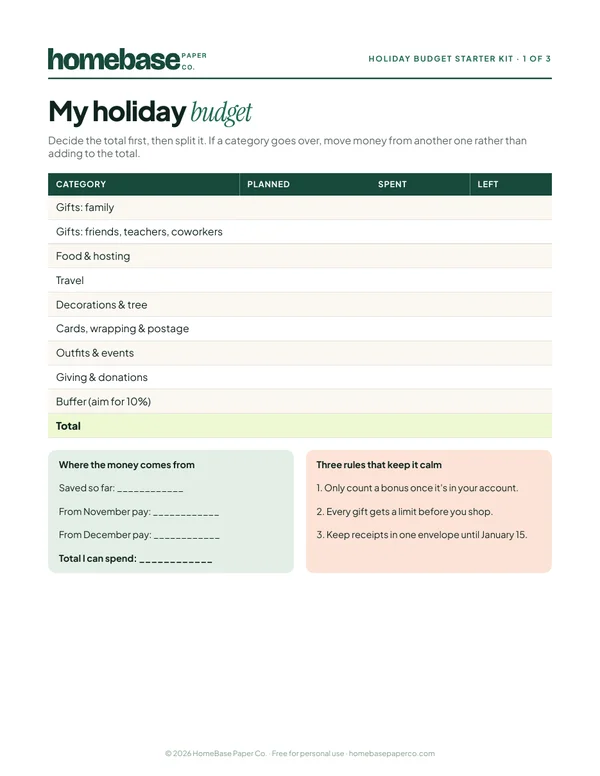
The Holiday Budget Starter Kit
A one-page holiday budget, a gift list with a spending limit for every person, and a 6-week countdown so December stays calm and paid for.
Free, no sign-up needed.
Save this guide for later