A family recipe binder collects the dishes your family actually makes, in one place, organized so anyone can find them. The best ones keep more than ingredients: who the recipe came from, when it's served, and the notes in the margin that make it yours.
Here's how to build one, how to gather recipes from relatives, and the printable we make.
How to organize the sections
Most families do well with eight or nine sections. Fewer is better than more; a section with two recipes is just extra tabs.
| Section | What goes there |
|---|---|
| Breakfast | Pancakes, casseroles, holiday morning bakes |
| Mains | Weeknight dinners and Sunday dishes |
| Sides | Vegetables, salads, potatoes |
| Soups | Soups, stews, chili |
| Desserts | Pies, cookies, puddings |
| Baking | Breads, rolls, cakes |
| Holidays | The once-a-year dishes, grouped by holiday |
| Family favorites | The ten recipes people ask for most |
Put a recipe index at the front, listing each recipe with its section and page, so the binder stays usable once it grows past 50 recipes.
Choosing page layouts
Different recipes need different pages:
- A full-page recipe for complex dishes with many steps.
- A "recipe from" page with space for who it came from and a memory or photo. This is the page that turns a binder into an heirloom.
- A baking page with room for exact measurements, pan sizes and oven temperatures.
- Two recipes per page for short ones like dressings and sauces.
- 4x6 or 3x5 cards for recipes you want to slip into a box or hand to a relative.
Collecting recipes from relatives
The hardest part isn't printing pages; it's getting the recipes. What works:
- Ask for one recipe at a time, tied to an occasion: "Can you send me your sweet potato pie before Thanksgiving?"
- Cook it together if you can. Many family recipes are "a handful of this," and you only learn the real amounts by watching.
- Photograph handwritten cards before anything else happens to them, then copy the recipe onto a clean page and keep the photo too.
- Record the story. Ask where it came from and when it's made, and write a sentence or two at the top.
- Test and annotate. Make it once from the written recipe and note what you changed.
Protecting pages in the kitchen
Recipe binders live near splatters. Sheet protectors are the simplest fix; they wipe clean and let you swap pages. A 2-inch binder holds roughly 150 to 200 protected pages. Print on heavier paper (32 lb or cardstock) for pages you use weekly, and keep originals of handwritten cards out of the kitchen entirely.
Our recipe binder and book
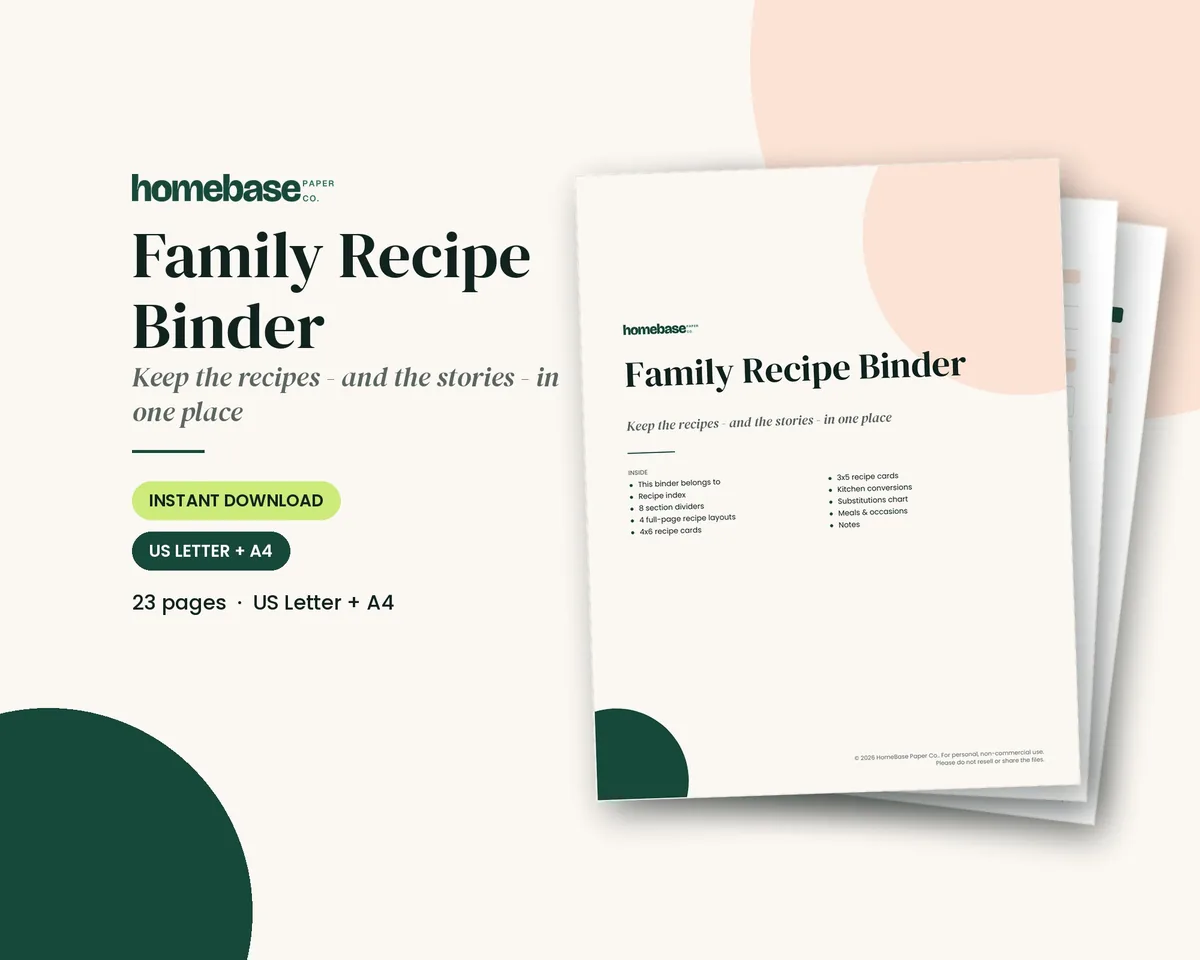
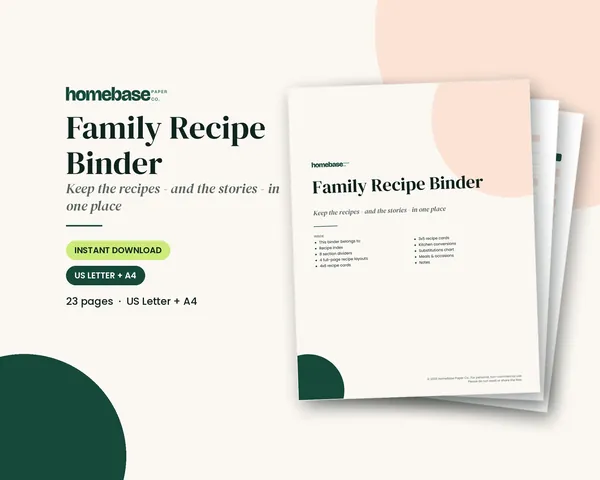
The Family Recipe Binder ($6.99) is a 23-page printable PDF in US Letter and A4 with a "this binder belongs to" page, recipe index, section dividers for breakfast, mains, sides, soups, desserts, baking, holidays and family favorites, four recipe page layouts (recipe, recipe from, baking recipe, two recipes), 4x6 recipe cards and a conversion chart. It also comes as a fillable version, so you can type recipes on a computer or tablet, save, and print clean copies for everyone.
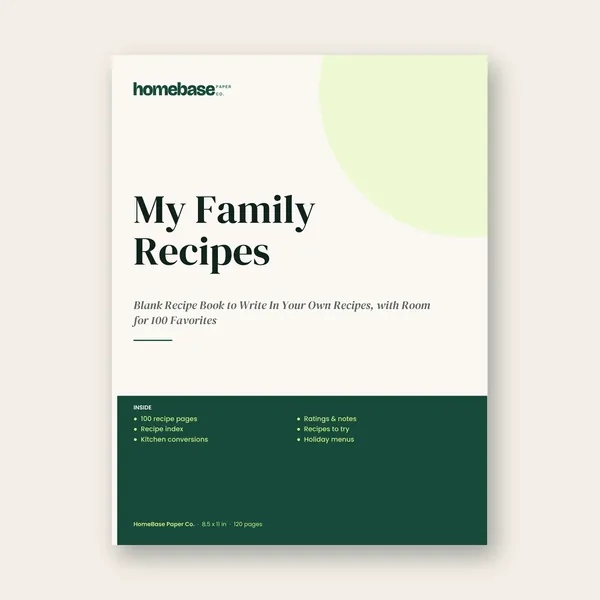
If you'd rather have a bound book to write in, My Family Recipes (paperback, $10.99) is an 8.5 x 11 inch, 120-page book with 100 numbered recipe pages, a four-page recipe index, a kitchen conversion chart, and pages for recipes to try and holiday and party menus. It's printed and shipped by Amazon and makes a good gift for a newly married couple or a grandparent.
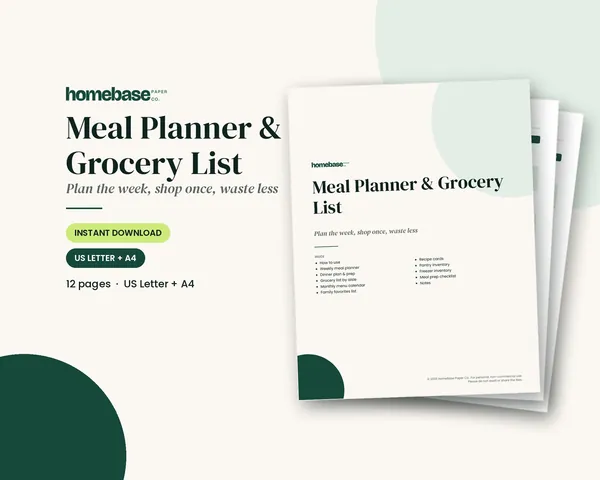
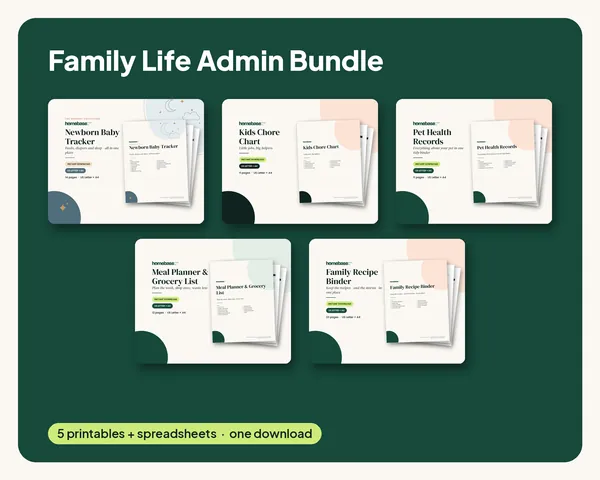
Pair either one with the Meal Planner & Grocery List ($3.99), which has a family favorites page and recipe cards of its own. Both printables are part of the Family Life Admin Bundle ($15.99).
A recipe binder as a gift
A filled-in binder is one of the most personal gifts you can give: for a wedding, a graduate's first apartment, or a family reunion. Start a few months ahead. Choose 20 to 30 recipes, ask relatives for a sentence of memory for each, and print copies for every household. The fillable version makes multiple copies easy, because you type each recipe once.
Mistakes to avoid
- Too many sections that end up nearly empty.
- Copying recipes without testing them, then discovering a missing step at the worst moment.
- Throwing out the original cards after copying them. The handwriting is part of the value.
- No index. Past a few dozen recipes, you'll be flipping pages forever.
Frequently asked questions
What sections should a family recipe binder have?
Breakfast, mains, sides, soups, desserts, baking, holidays and family favorites work for most families. Add a recipe index at the front so recipes are easy to find once the binder grows, and avoid creating sections that will only ever hold one or two recipes.
Can I type recipes into the Family Recipe Binder?
Yes. It includes fillable versions of both PDFs, so you can type into the fields on a computer or tablet, save the file and print clean copies. That makes it easy to share the same recipes with several family members or print replacement pages later.
How do I protect recipe pages in a binder?
Slip each page into a clear sheet protector so splatters wipe off and pages can be rearranged. Print frequently used pages on heavier paper and keep original handwritten cards somewhere safe outside the kitchen after photographing or copying them.
What size is the My Family Recipes book?
It's a large 8.5 x 11 inch paperback with 120 pages, including 100 numbered recipe pages, a recipe index, a kitchen conversion chart and pages for recipes to try and party menus. It's printed and shipped by Amazon.
Free download
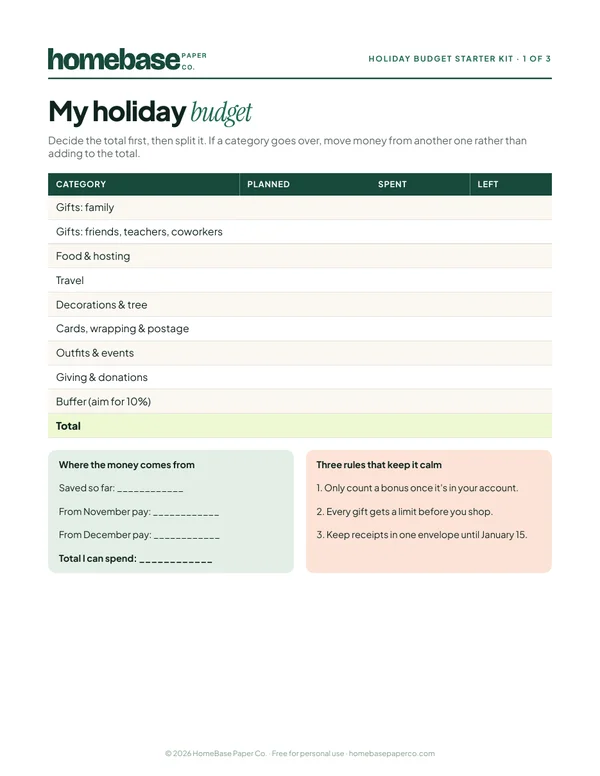
The Holiday Budget Starter Kit
A one-page holiday budget, a gift list with a spending limit for every person, and a 6-week countdown so December stays calm and paid for.
Free, no sign-up needed.